Introduction to AWS Lambda
My name is Hamza Rehman. I'm a passionate DevOps enthusiast. With a deep interest in open-source technologies and automation, I enjoys to share my knowledge and insights with the community.
AWS Lambda is a serverless compute service that lets you run code without provisioning or managing servers. It executes your code only when needed and scales automatically, from a few requests per day to thousands per second.
What is AWS Lambda?
AWS Lambda is a compute service that lets you run code in response to events and automatically manages the compute resources for you. You can use Lambda to extend other AWS services with custom logic or create your own backend services that operate at AWS scale, performance, and security.
Key Features of AWS Lambda
1. Serverless Architecture
Lambda allows you to build applications without the need to provision or manage servers. This serverless architecture lets you focus on writing code and business logic.
2. Automatic Scaling
Lambda automatically scales your applications by running code in response to each trigger, based on the size of the workload. There’s no need to worry about scaling infrastructure.
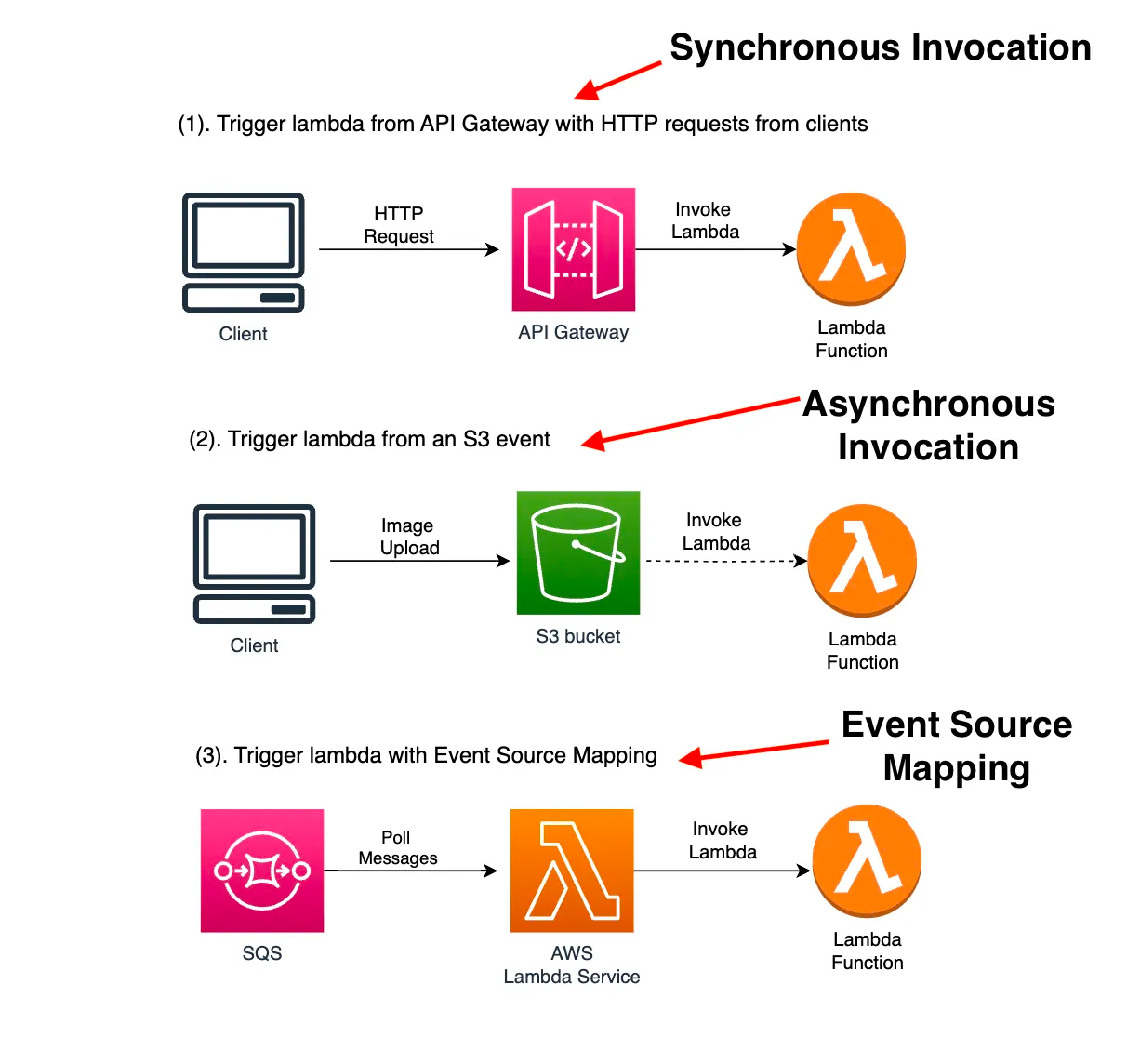
3. Flexible Invocation Models
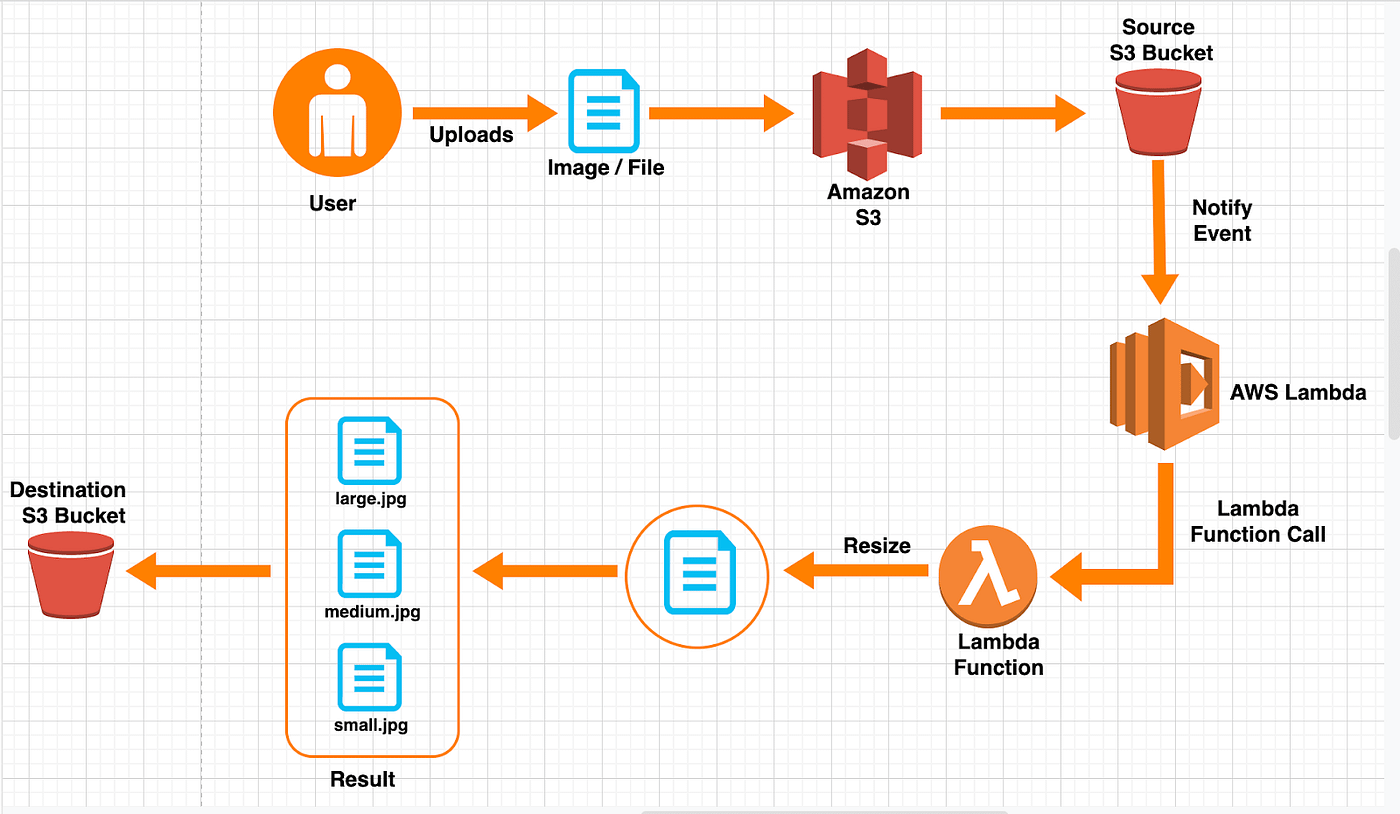
Lambda supports synchronous and asynchronous invocations. It can be triggered by AWS services like S3, DynamoDB, Kinesis, SNS, and more.
4. Integrated Security
Lambda integrates with AWS Identity and Access Management (IAM), allowing you to set up granular access controls for your functions and data.
5. Cost Efficiency
With Lambda, you only pay for the compute time you consume. There are no charges when your code is not running, making it a cost-effective solution for many use cases.
6. Rich Ecosystem and Integration
Lambda seamlessly integrates with other AWS services, enabling you to build complex serverless applications with ease.
Advanced Features
1. Layer and Extensions
Lambda layers allow you to manage your code and dependencies separately, enabling code reusability across multiple functions. Extensions provide an easy way to integrate with monitoring, security, and other tools.
2. Event Source Mapping
Lambda supports event source mapping for services like DynamoDB Streams, Kinesis, and SQS, allowing you to process streaming data and asynchronous messages efficiently.
3. Provisioned Concurrency
Provisioned concurrency enables you to pre-allocate capacity for your Lambda functions, reducing cold start times and ensuring consistent performance.
4. API Gateway Integration
Lambda integrates with API Gateway to create RESTful APIs or WebSocket APIs, enabling you to build scalable and secure APIs with ease.
Conclusion
AWS Lambda is a powerful and flexible compute service that simplifies the process of running code in the cloud. By eliminating the need to manage infrastructure, Lambda allows you to focus on developing business logic and delivering value to your users. Whether you are building a simple microservice or a complex serverless application, Lambda provides the scalability, cost-efficiency, and agility needed to succeed.
