Understanding AWS Load Balancers: ALB vs NLB vs GWLB
My name is Hamza Rehman. I'm a passionate DevOps enthusiast. With a deep interest in open-source technologies and automation, I enjoys to share my knowledge and insights with the community.
AWS offers several types of load balancers, each designed to handle different types of traffic and use cases. In this post, we'll explore three main types: Application Load Balancer (ALB), Network Load Balancer (NLB), and Gateway Load Balancer (GWLB). We'll break down their features, use cases, and differences to help you choose the right one for your needs.
What is a Load Balancer?
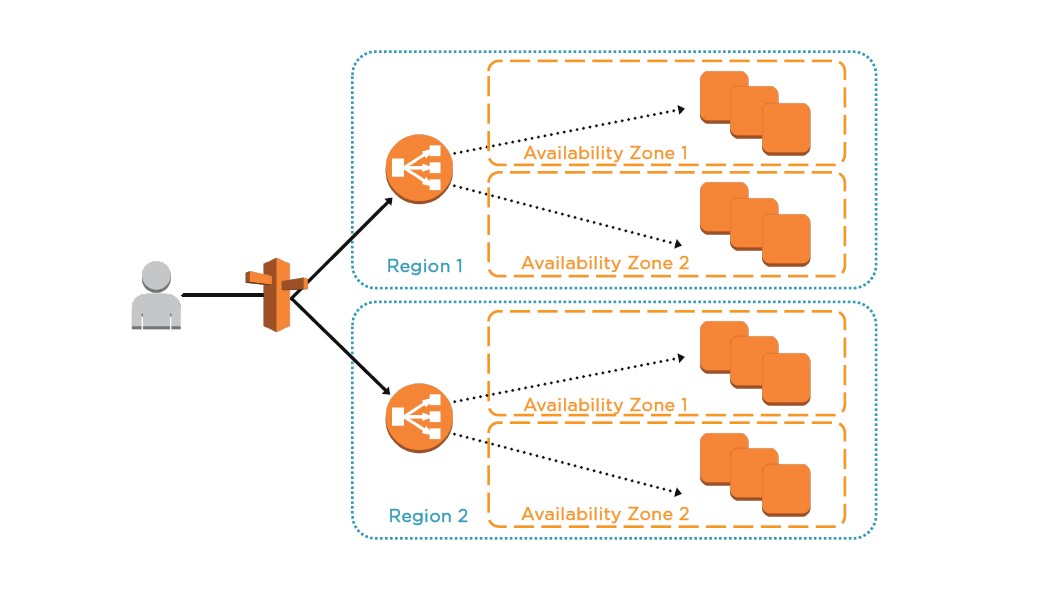
A load balancer distributes incoming network traffic across multiple targets, such as Amazon EC2 instances, containers, and IP addresses, in one or more Availability Zones. This improves the availability and fault tolerance of your applications.
AWS offers several types of load balancers, each designed to handle different types of traffic and use cases. In this post, we'll explore three main types: Application Load Balancer (ALB), Network Load Balancer (NLB), and Gateway Load Balancer (GWLB). We'll break down their features, use cases, and differences to help you choose the right one for your needs.
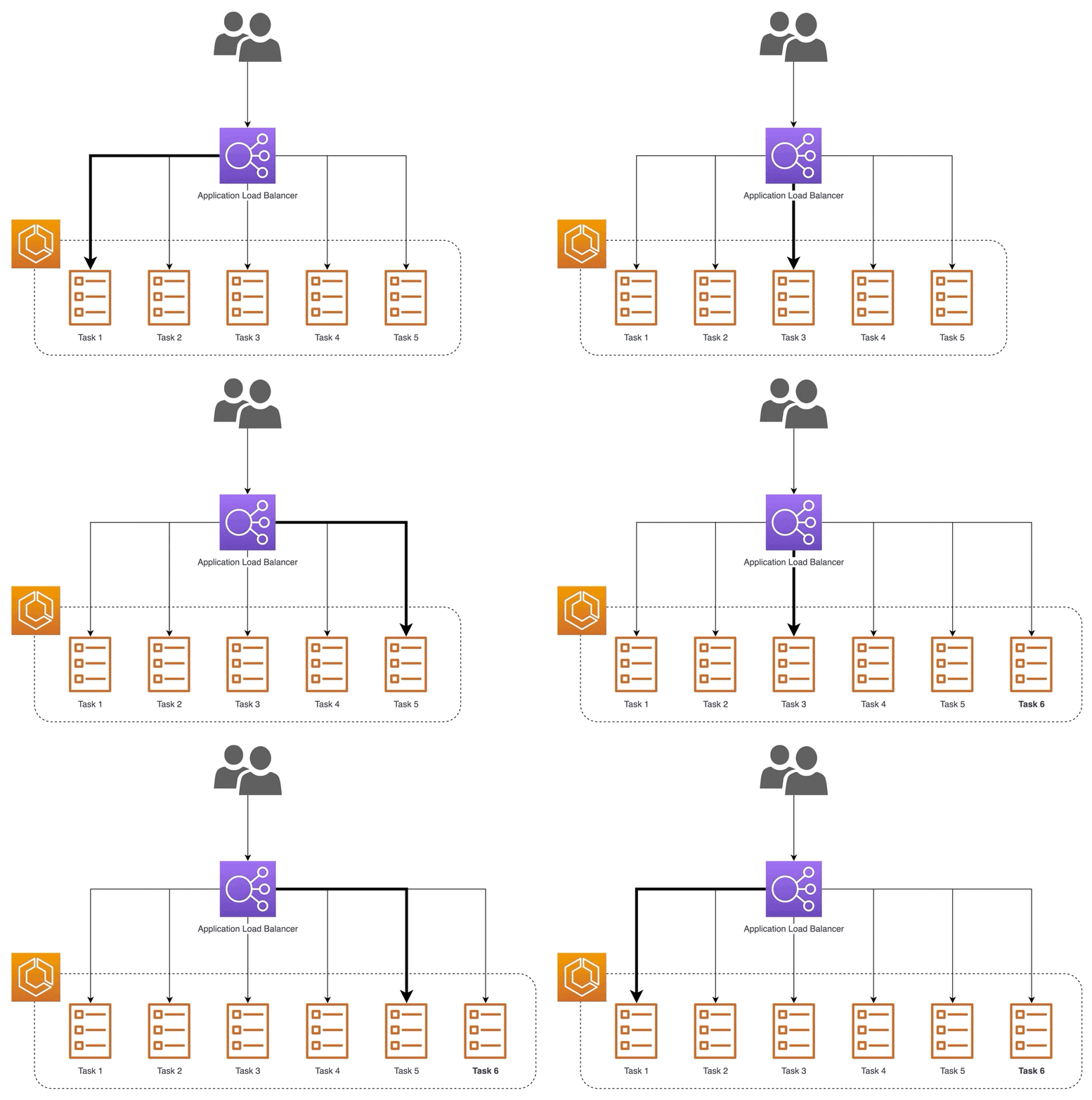
Types of AWS Load Balancers
1. Application Load Balancer (ALB)
Overview:
ALB operates at the application layer (Layer 7) of the OSI model.
It routes traffic based on the content of the request (e.g., URL, host, HTTP headers).
Key Features:
Content-Based Routing: Routes traffic based on HTTP/HTTPS URL, host, headers, and query string.
Host-Based Routing: Allows you to route requests to different target groups based on the hostname.
Path-Based Routing: Routes requests based on the URL path.
SSL Termination: Offloads SSL termination to the load balancer.
Use Cases:
Microservices and container-based applications.
Applications that require advanced routing capabilities.
Web applications using HTTP and HTTPS.
Example Scenario:
- A website that routes user requests to different microservices based on the URL path or host.
2. Network Load Balancer (NLB)
Overview:
NLB operates at the transport layer (Layer 4) of the OSI model.
It routes traffic based on IP protocol data (e.g., TCP, UDP).
Key Features:
High Performance: Capable of handling millions of requests per second while maintaining ultra-low latencies.
Static IP Addresses: Provides a single static IP address for each Availability Zone.
Zonal Isolation: Isolated failure zones ensure high availability.
TLS Termination: Supports TLS termination, but it’s more commonly used for pass-through TLS connections.
Use Cases:
Applications that require extremely low latency and high throughput.
Network-level routing without the need for application-level inspection.
Real-time applications like gaming, financial transactions, and IoT.
Example Scenario:
- A financial trading platform that requires low-latency, high-throughput connections.
3. Gateway Load Balancer (GWLB)
Overview:
GWLB operates at the network layer and combines a transparent network gateway (Layer 3) with a load balancer.
It is designed to deploy, scale, and manage third-party virtual appliances.
Key Features:
Transparent Network Gateway: Integrates seamlessly with your VPC, redirecting traffic through the GWLB.
Third-Party Appliance Integration: Supports third-party appliances for security, network monitoring, and traffic inspection.
Elastic Scaling: Automatically scales the appliance fleet to handle changes in traffic.
Use Cases:
Deploying third-party network appliances such as firewalls, intrusion detection systems (IDS), and deep packet inspection (DPI).
Security and traffic inspection in your VPC.
Example Scenario:
- Using a third-party firewall appliance to inspect and secure traffic entering and exiting your VPC.
Conclusion
AWS provides different types of load balancers to meet various needs and use cases. By understanding the features and benefits of ALB, NLB, and GWLB, you can select the right load balancer for your applications and ensure optimal performance and scalability.
